
BMW has unveiled the i3 sedan with a 900 km WLTP-certified range and 400 kW charging capability. On motorways, European infrastructure is built to match it. Everywhere else, the cars are moving faster than the grid meant to serve them.
What Happened
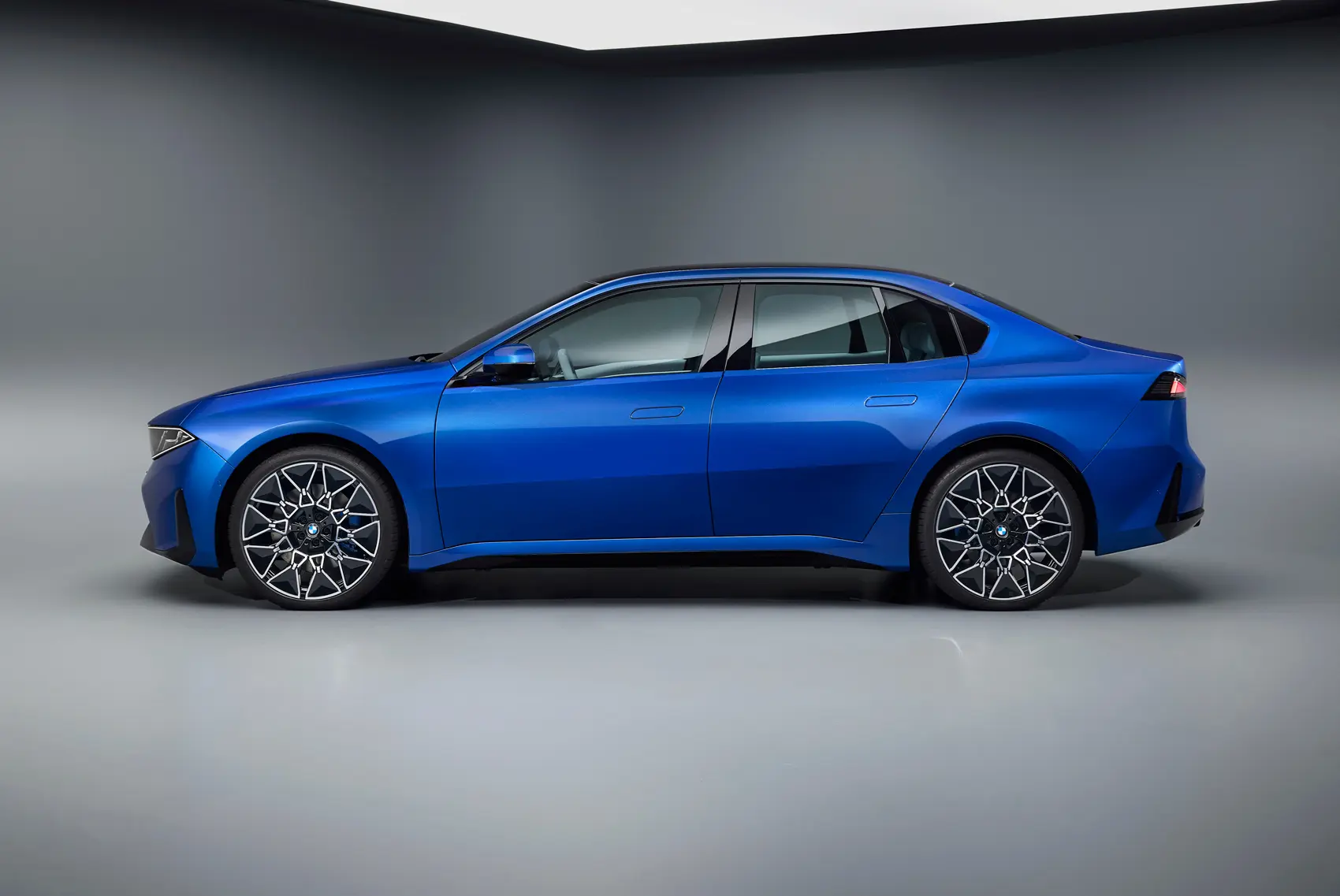
BMW has officially unveiled the i3 sedan with a WLTP-certified range of 900 km, the highest announced figure for any electric vehicle destined for the European market. The i3 50 xDrive exceeds both the iX3’s 805 km WLTP rating and every competing model from Tesla, Mercedes, and Chinese import brands currently subject to EU tariffs.
The 800V Neue Klasse architecture enables 400 kW charging, with estimates placing a 10-80% top-up under 25 minutes. Dual motors deliver 463 hp and approximately 633 Nm of torque. Dimensions come in at 4,740 mm long, 1,865 mm wide, and 1,480 mm tall. US models will feature NACS charge ports; European units will support bidirectional charging up to 3.7 kW. Pricing remains unannounced, with estimates placing the i3 in the €55,000 to €65,000 bracket, directly targeting the Tesla Model 3 and the forthcoming Mercedes electric C-Class.
Production begins August 2026 at BMW’s Munich plant. The iX3, on the same platform, has generated over 50,000 binding orders to date. BMW now holds two range leadership positions on the same architecture within a twelve-month window.
What It Means
BMW has not disclosed the i3’s battery capacity. Engineering analysis suggests the sedan’s flatter floor accommodates a smaller pack than the iX3, which would position the 900 km figure as an efficiency achievement driven by aerodynamics and cell-to-pack packaging rather than simple capacity inflation. That inference is not yet a confirmed spec.
If the analysis holds, the significance is architectural. The Neue Klasse platform is delivering range gains without scaling battery size, which changes the cost and weight calculation for future models on the same base. This is a harder competitive signal for rivals to respond to than a larger pack.
For European readers, the 900 km figure has a practical translation: Berlin to Paris and back without charging. The 400 kW charging rate adds approximately 400 km in ten minutes, roughly the distance from London to Edinburgh. On the specification sheet, range anxiety is effectively a resolved problem.
That makes the harder question infrastructural. If BMW has rendered range a non-issue at this price point, the constraint on EV adoption in Europe shifts entirely to the charging network.
On motorways, the infrastructure is catching up. Everywhere else, the cars are still moving faster than the grid meant to serve them.