
WeRide has launched Slovakia’s first national-level autonomous driving program, partnering directly with the Ministry of Transport, the City of Bratislava, and Slovak Post. It is a deliberate entry architecture: one government agreement instead of navigating fragmented regulatory frameworks across Western Europe individually.
What Happened
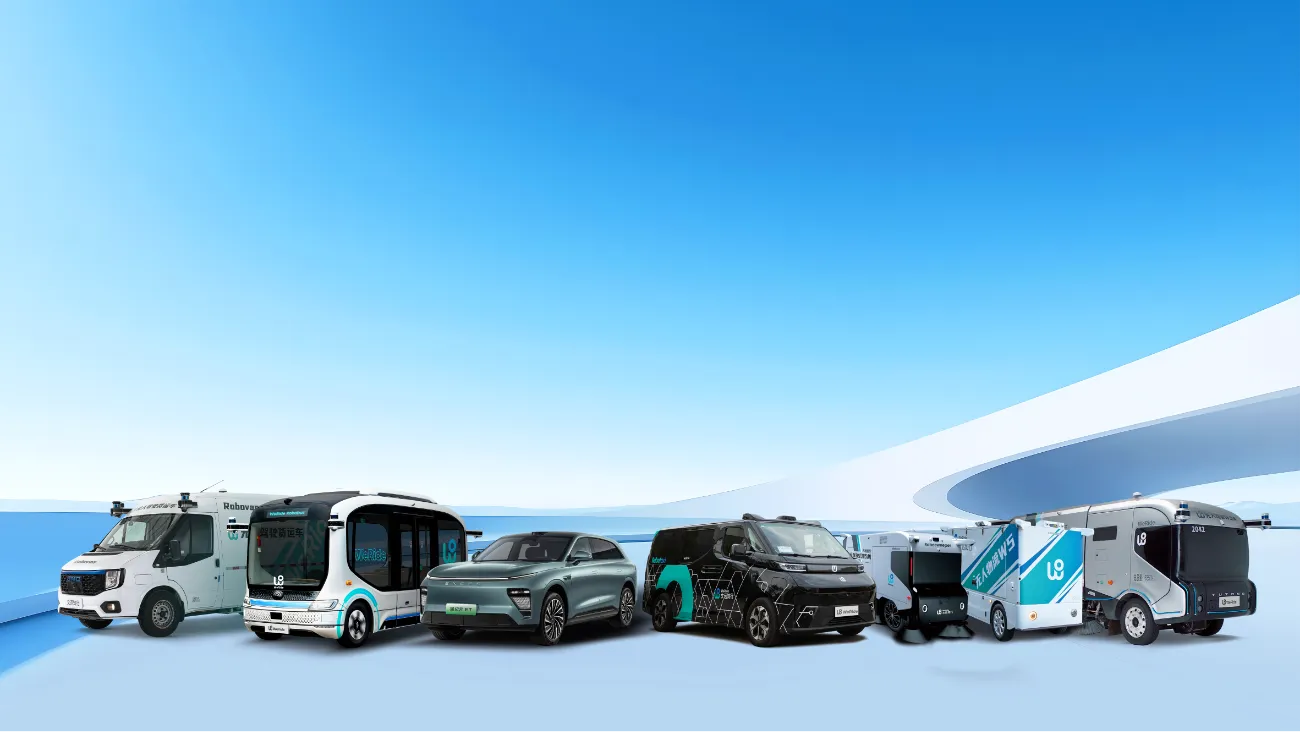
Chinese autonomous driving company WeRide has announced a partnership with ELEVATE Slovakia, a multi-stakeholder initiative, to launch what it describes as Slovakia’s first national-level commercial autonomous driving program. The partnership includes Slovakia’s Ministry of Transport, the City of Bratislava, and Slovak Post. WeRide plans to deploy its Robotaxi, Robobus, Robovan, and Robosweeper products. The initial fleet is scheduled to arrive in spring 2026, with testing planned in Bratislava during the first half of the year. WeRide states it aims to operate 2,600 active Robotaxis globally by end-2026.
What It Means
The structure of this partnership is as significant as the deployment itself. WeRide has entered Europe not through a commercial operator agreement or a technology licensing deal, but through a state-level arrangement involving a national ministry, a capital city, and a national postal service. That is a deliberate market entry architecture.
Western European regulatory frameworks for autonomous vehicles vary considerably by jurisdiction. Navigating them individually requires time, legal resources, and established relationships with multiple national authorities. Slovakia’s national-level program compresses that process by establishing a single framework with government backing from the outset. Whether this model is replicable in larger Western European markets with more complex regulatory environments is a separate question, but as a proof-of-concept for state-partnership entry, the Slovak deployment provides WeRide with operational data, regulatory experience, and a reference case on European soil.
Whether the Slovakia model represents a scalable template for Chinese autonomous vehicle companies seeking broader European presence, or whether it remains a niche entry point in a smaller market, may depend on how the Bratislava testing phase performs and how other European governments respond to similar approaches.