
Takeaways:
- Sony’s asset-light joint venture model proved vulnerable when Honda withdrew its platform technology, leaving the Afeela series with no path to production.
- The cancellation shifts focus to how European firms partnering with Chinese EV makers might face similar risks if platform access is altered or withdrawn.
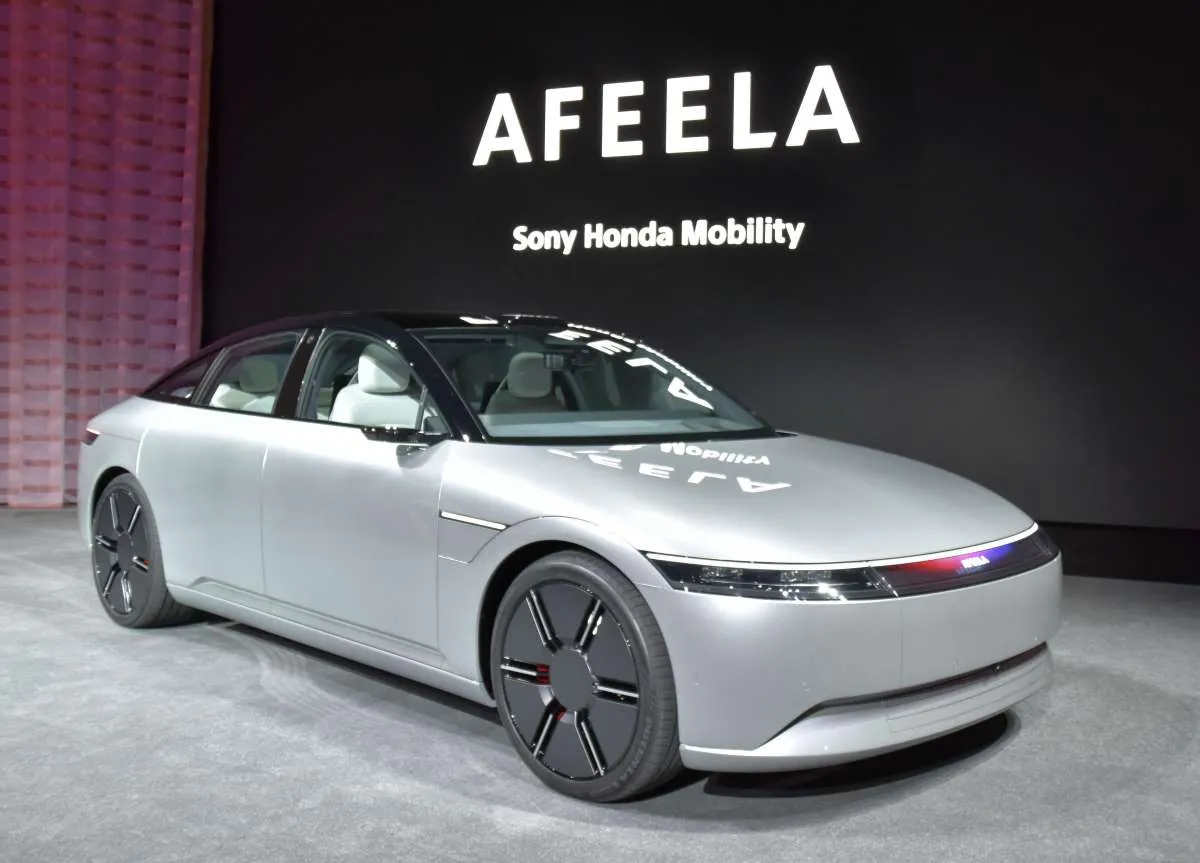
Sony Honda Mobility (SHM) has terminated development of the Afeela 1 electric sedan and its planned SUV sibling, confirming that a joint venture model reliant on a single partner’s platform carries existential risk.
According to a joint statement released on March 25, the cancellation follows Honda’s sweeping electrification strategy overhaul, which removed the underlying platform technology the Afeela series depended on.
Why Honda Scrapped the Afeela Platform
SHM confirmed it will discontinue both models, with full refunds issued to customers who placed reservations. The Afeela 1 had entered pre-production and was slated for California deliveries by late 2026, priced between $89,900 and $102,900, while a second SUV model targeted a 2028 launch.
The venture was designed to combine Sony’s entertainment and sensor technology with Honda’s manufacturing expertise, but operated on a “light-asset” model where Sony contributed software while Honda supplied the EV architecture.
Honda’s strategic shift was formalized on March 12, when the automaker announced it was scrapping three bespoke EV models, the Honda 0 Series SUV, 0 Series Saloon, and Acura RSX EV, all based on its new e:Architecture platform.
The decision triggered up to $15.7 billion in writedowns and marks Honda’s first annual net loss since its 1977 listing. Citing a slowdown in the U.S. EV market, the rollback of federal purchase incentives, and intensifying competition, Honda effectively removed the technological foundation SHM was built upon.
How Platform Risk Reshapes EV Joint Ventures
The collapse illustrates a critical vulnerability for technology-focused automotive joint ventures: when the automotive partner withdraws its platform, the venture loses its product. SHM’s structure left it with no alternative manufacturing pathway once Honda altered its roadmap.
This raises a direct question for European markets evaluating similar partnerships between Western technology firms and Chinese automakers: if a Chinese EV platform partner were to reallocate capacity, revise licensing terms, or face export restrictions, would the European-branded vehicle built on it have any independent means of production?
Sources: Sina