
Takeaways
- The ID.AURA is the first Volkswagen vehicle to use the CEA electrical architecture, which reduces ECUs by 30% and was developed with Xpeng.
- No European Volkswagen model in 2026 is scheduled to receive the CEA architecture or CARIZON’s lidar‑based ADAS, creating a two‑track technology strategy.
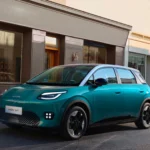
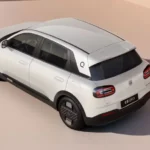
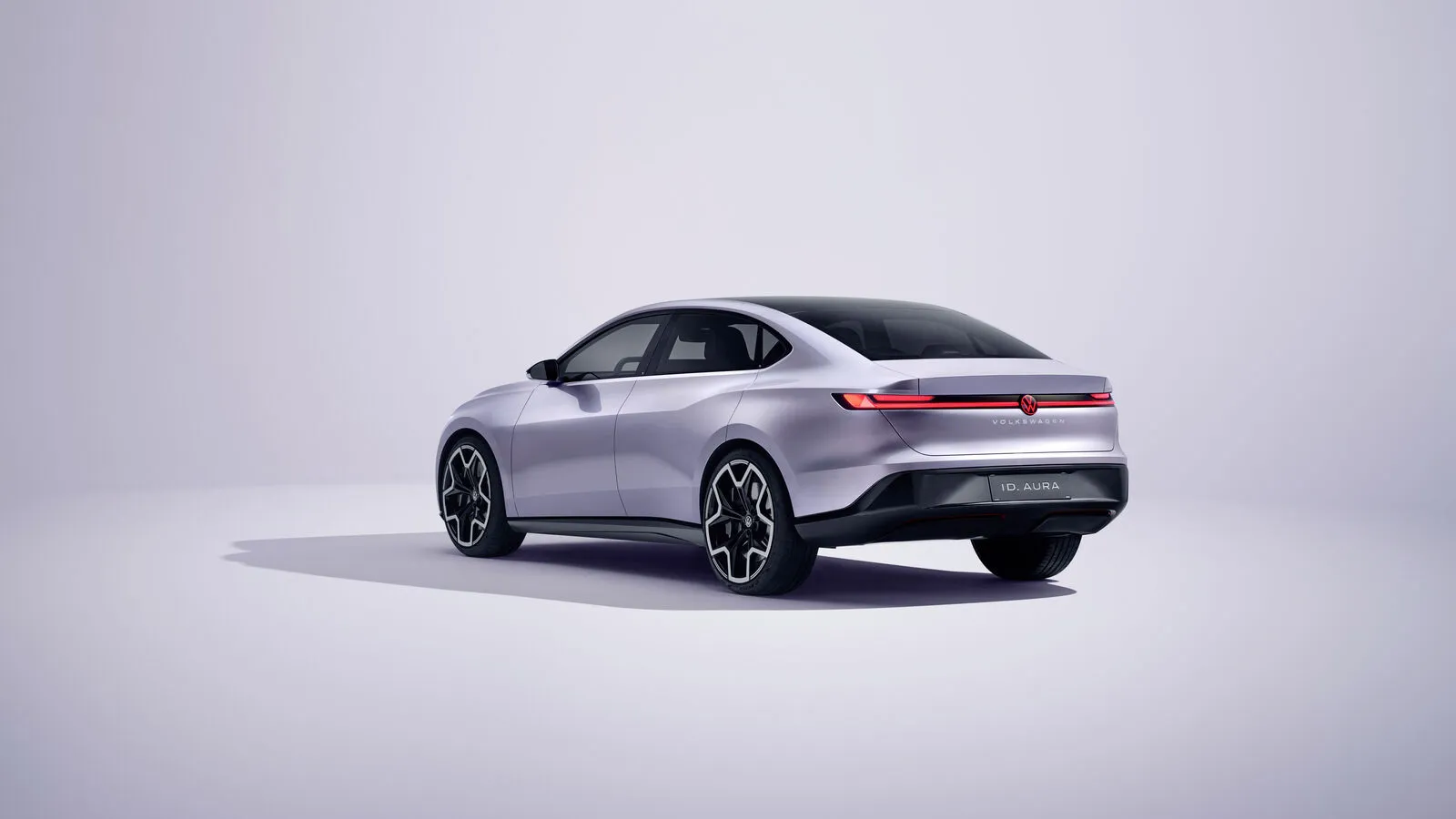
According to FAW‑Volkswagen, the ID.AURA electric SUV will debut on 21 April 2026 and launch in the second half of the year. The vehicle is built on the CEA (China Electronic Architecture) jointly developed with Xpeng.
CEA reduces the number of electronic control units (ECUs) by around 30% and cuts system complexity. The ID.AURA is the first Volkswagen model to use a roof‑mounted lidar and an advanced driver‑assistance system developed by CARIZON, the joint venture between Volkswagen and Horizon Robotics.
What the China‑Only Deployment Means
The ID.AURA is a China‑market product. European Volkswagen models in 2026 will receive MEB‑based vehicles. The ID.Cross, a compact electric SUV, is scheduled for a European launch in autumn 2026 on the MEB+ platform.
No announced plan exists to bring the CEA architecture or CARIZON’s ADAS to European markets. This creates a divergence: Chinese customers get a more advanced electrical architecture and lidar‑based assistance system years before European buyers see equivalent technology.
What to Watch
One reading of this is that German automakers are building two technology tracks, one for China and one for the rest of the world. The question now is whether the CEA architecture and CARIZON’s system will eventually migrate to European models, and at what delay relative to their deployment in China.