
Takeaways
- The T03‘s 5,022 March registrations made it the first Chinese model to reach Italy’s overall top three, behind only Fiat Panda and Jeep Avenger.
- The €4,900 price is contingent on both Italian government subsidies and manufacturer discounts; the underlying economics without these supports have not been disclosed.
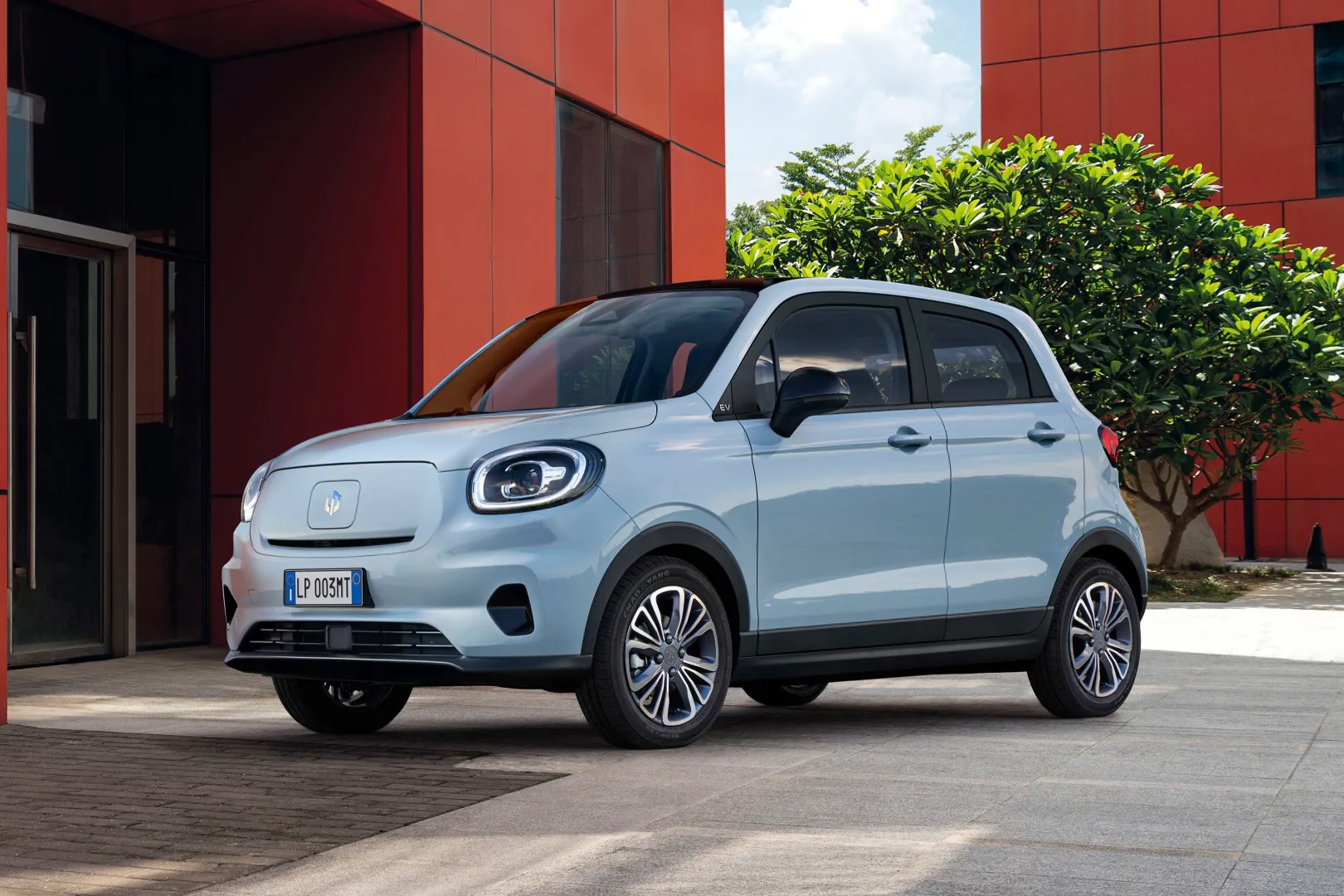
According to Dataforce data, Leapmotor recorded 5,513 registrations in Italy in March 2026, a 2,827% increase year on year. Of these, 5,022 were the T03 city car, which became Italy’s best selling electric vehicle and the first Chinese model to enter the overall top three in the country’s passenger car market, behind only the Fiat Panda and Jeep Avenger.
The T03 significantly exceeded the second ranked Tesla Model 3, which recorded 1,628 units. Leapmotor held a 33.5% share of Italy’s battery electric vehicle market in March, rising to 44.6% in the private retail channel.
Subsidy and Discount Model Behind €4,900 Price
The T03’s starting price of €4,900 combines Italian government subsidies with an approximately €3,000 manufacturer discount.
The base price of the vehicle is €18,900. Stellantis, which holds a 51% stake in the Leapmotor joint venture and exclusive rights to sell the brand outside China, distributes the T03 through its dealer network, enabling rapid channel expansion across Europe.
Tariff Regime and Production Shift
The T03 is currently imported from China and subject to a 30.7% EU countervailing duty. Production at Stellantis‘ Tychy plant in Poland ceased on 31 March 2025, after less than one year of assembly.
Stellantis is evaluating alternative European production locations, with Spain reported as a candidate. Leapmotor‘s B10 SUV secured the top position in Italy‘s C segment electric SUV category with a starting price of €29,900.
The Open Question
Other Chinese brands also grew in Italy during the first quarter. BYD recorded 12,892 registrations, up 204.4% year on year. MG recorded 15,875 registrations, up 2.9%. Chery‘s Omoda reached 6,221 units, a 527.8% increase.
The open question is whether the T03‘s March result represents repeatable mass market Chinese EV penetration in Europe or a unique confluence of subsidy policy, Stellantis distribution, and aggressive discounting that cannot be replicated across other EU markets without equivalent infrastructure.