
Takeaways
- Reuters reports that Stellantis and Leapmotor are in advanced talks to build an Opel EV on the B10 platform at Zaragoza, targeting 50,000 units annually from 2028.
- Leapmotor has publicly denied platform‑level collaboration, stating that talks are limited to component supply, while Stellantis has not confirmed the Opel project.
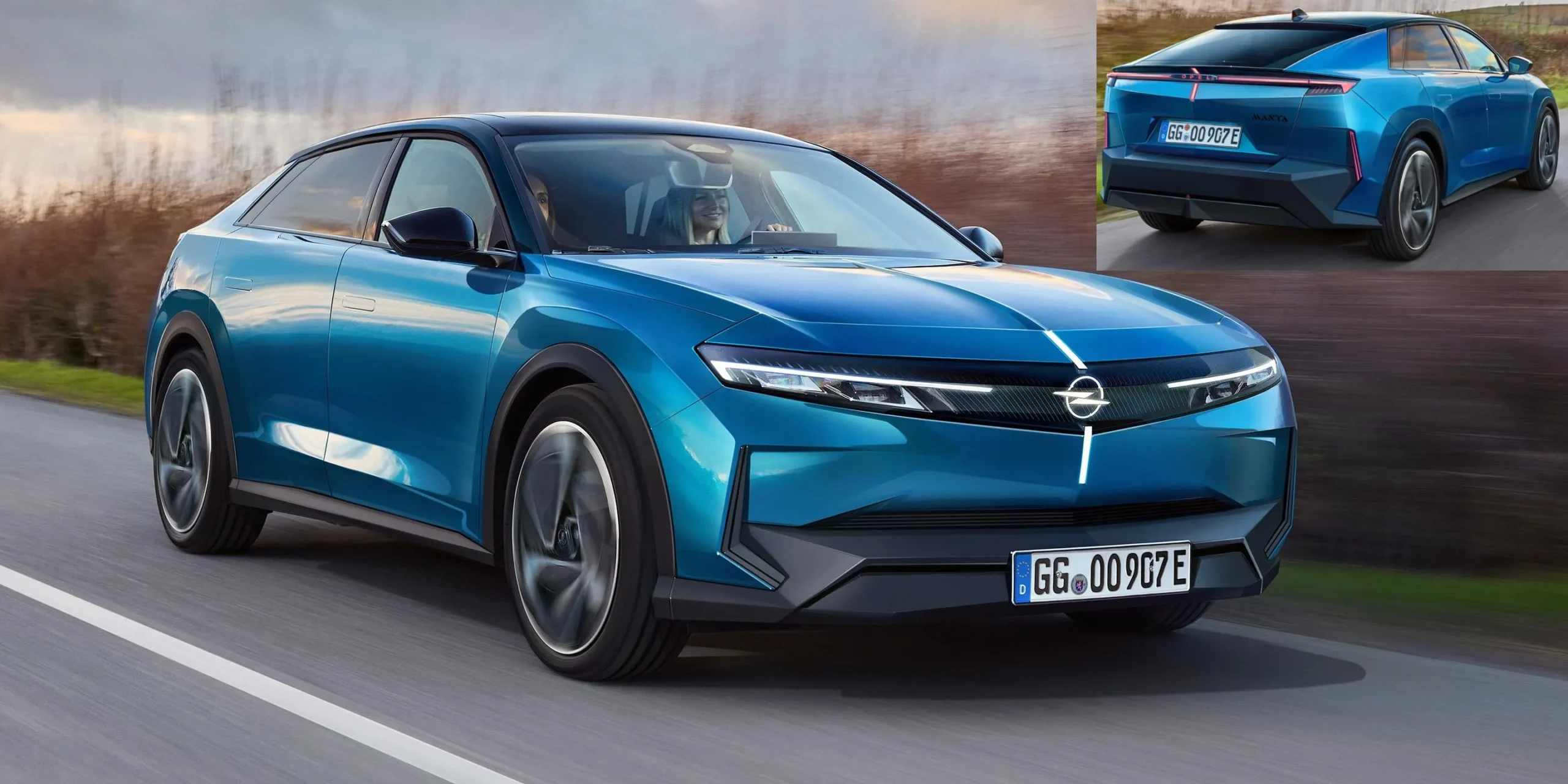
According to three sources cited by Reuters on 8 April 2026, Stellantis is in advanced negotiations with Leapmotor to co‑develop an Opel‑branded electric SUV. The vehicle, internally codenamed O3U, would be built on the architecture of Leapmotor’s B10 compact SUV and produced at Stellantis’ Zaragoza plant in Spain.
Production is expected to begin in 2028 with a target of 50,000 units annually. Under the terms being discussed, Leapmotor would supply key technologies including the electronic and electrical architecture, while Opel would handle exterior design. A significant portion of the development work would take place in China.
B10 Already Slated for Zaragoza Assembly
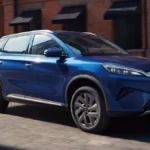
The proposed Opel SUV would share its underpinnings with the Leapmotor B10, which is already confirmed for local assembly at Zaragoza starting in the second half of 2026. By adopting an existing platform, Stellantis aims to cut development time and engineering costs as the company scales back its own in‑house EV programmes.
The Opel project is the most advanced of several potential collaborations; preliminary talks have also been held on a possible Alfa Romeo derivative using the same architecture, as well as A‑segment vehicles for brands including Fiat.
Leapmotor Denies Platform‑Level Collaboration
Leapmotor has publicly stated that current discussions with partners, including Stellantis, are limited to the supply of self‑developed components, with no plans for platform‑level collaboration.
The company declined to comment on the specific Opel EV plans, including the production timeline and targeted output. Stellantis has said only that there is “regular engagement” between the partners on ways to expand cooperation.
Opel Share and Stellantis EV Reset
Opel accounted for approximately 21% of Stellantis’ European sales in 2025, with Germany as its largest single market. The talks follow Stellantis’ announcement of a €22.2 billion writedown in early 2026 related to scaling back its electric vehicle ambitions. The company admitted it had overestimated the pace of the energy transition and is now seeking more cost‑effective routes to EV development.
The open question is whether European consumers will accept a vehicle that carries German styling over a Chinese‑developed platform, and whether the Zaragoza production route – which eliminates EU import duties – can make Opel competitive in the sub‑€25,000 and sub‑€30,000 segments without eroding brand trust.