
Takeaways
- The BMW i7 premieres April 22 in Beijing with a Gen6 high‑voltage battery co‑developed with Rimac Technology, offering 20% higher energy density and faster charging.
- BMW will also launch the Neue Klasse iX3 and i3 long‑wheelbase models at the Beijing show, both integrating Chinese AI and local driving scenarios.
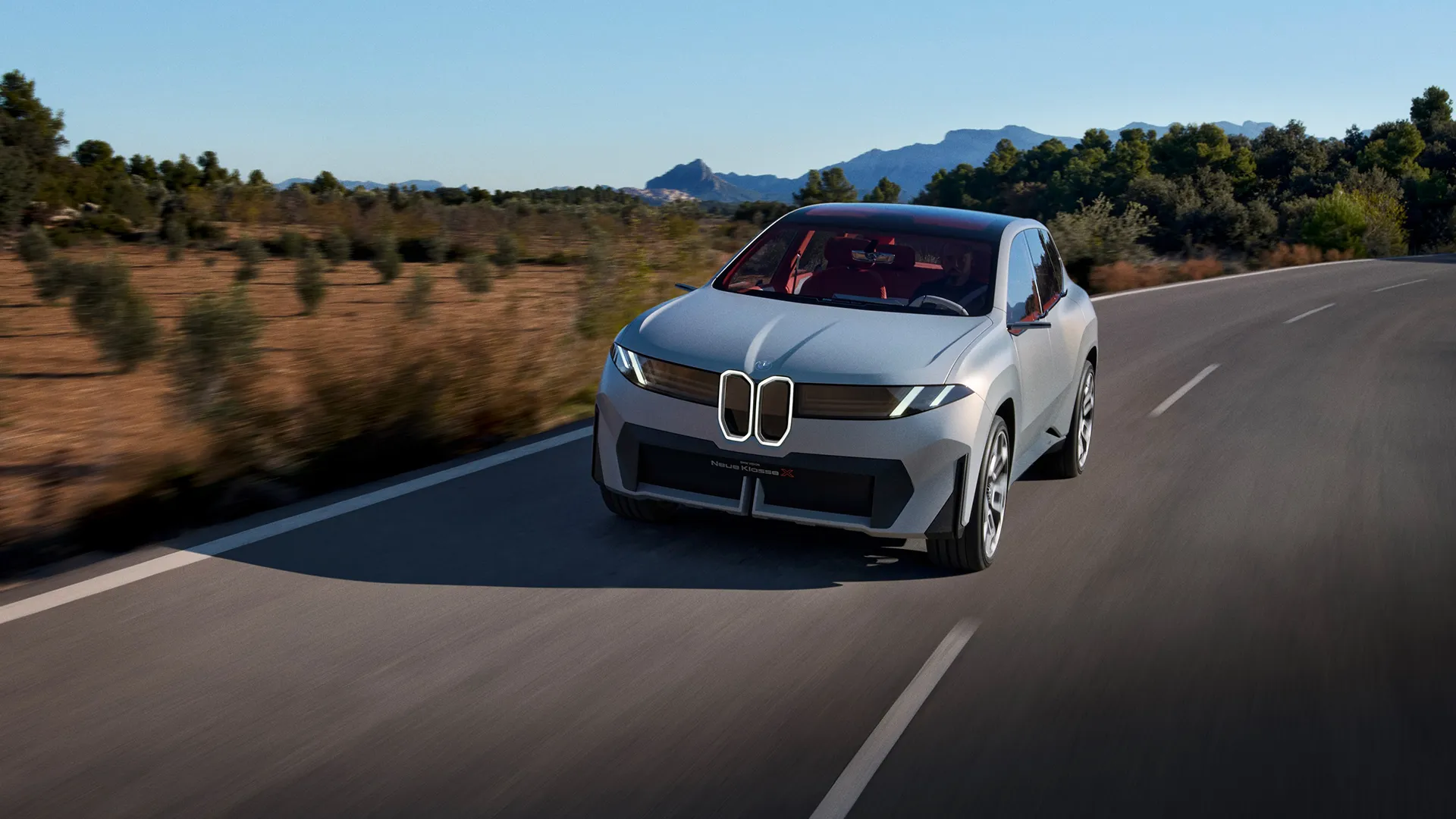
According to a BMW Group press release on April 8, the automaker is bringing 16 new vehicles from its BMW, MINI and BMW Motorrad brands to the 2026 Beijing International Automotive Exhibition (April 24 to May 3).
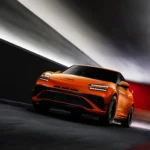
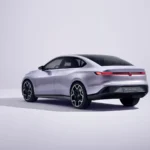
The lineup includes four world premieres and eight China debuts. The showcase is led by the all‑electric BMW i7 and the long‑wheelbase Neue Klasse models, the BMW iX3 and BMW i3, both developed specifically for Chinese consumers.
Rimac‑Developed Gen6 Battery Debuts in i7
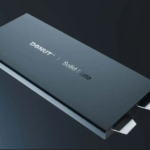
The BMW i7 will premiere on April 22 in Beijing, equipped with a high‑voltage battery jointly developed with Rimac Technology. The system uses BMW‘s sixth‑generation eDrive (Gen6) 4695 lithium‑ion cylindrical cells, which deliver 20% higher volumetric energy density than the prismatic cells used in the Gen5 architecture. According to the company, the battery combines Gen6 cell technology with the established Gen5 module design to achieve significantly increased range and faster charging.
The battery is manufactured at Rimac‘s 90,000‑square‑metre Campus in Zagreb and delivered ready for assembly at BMW’s Dingolfing plant in Germany, the sole production site for the BMW 7 Series.
Neue Klasse Localisation and China‑Specific Features
BMW will also globally launch the Neue Klasse BMW iX3 long‑wheelbase and the Neue Klasse BMW i3 long‑wheelbase at the Beijing show. The iX3 long‑wheelbase, measuring 4,885 mm in length with a 3,005 mm wheelbase, offers a CLTC range exceeding 900 km and is built on an 800‑volt platform.
Both models integrate Chinese AI and local driving scenarios into their intelligent cockpit and driver assistance systems.
The Open Question
The Gen6 battery equipped in the i7 demonstrates that European engineering collaboration can produce competitive hardware at scale.
But as BMW increasingly develops its most advanced products for Chinese launch cycles, the open question is whether European market introductions will routinely lag six to twelve months behind and whether that delay becomes a competitive vulnerability.