
Takeaways
- Europe’s EV sales reached nearly 540,000 units in March 2026, a 37% year-on-year increase, driven by Germany’s €3 billion subsidy programme and oil prices above $100 per barrel following the Iran war.
- China’s domestic EV market contracted 21% year-to-date in Q1 2026 to 1.9 million units, while Europe‘s Q1 sales rose 27% to 1.2 million, making Europe the global growth engine.
Europe recorded its strongest month for electric vehicle sales in March 2026, with over 500,000 units sold for the first time. According to Benchmark Mineral Intelligence data published on 14 April, the region‘s EV sales rose 72% month-on-month and 37% year-on-year, reaching an all-time high of nearly 540,000 vehicles. Austria, Belgium, Finland, France, Italy, Portugal and Spain all posted record BEV months, while the UK benefited from its March registration plate change combined with rising fuel costs to deliver a 31% year-on-year increase.
Two drivers explain the surge. Germany’s €3 billion subsidy programme, retroactive to 1 January 2026, offers up to €6,000 per vehicle and is expected to support approximately 800,000 cars through 2029. The second driver is geopolitical: the Iran war pushed Brent crude above $100 per barrel in April, with physical spot cargoes for prompt delivery to Europe hitting nearly $150. In France, rising petrol prices triggered panic buying and supply disruptions at the pump, driving BEV sales up 69% year-on-year, significantly outpacing the 36% growth seen in January and February.
China Slumps as Europe Becomes Growth Engine
Global EV sales reached 4.0 million units in Q1 2026, down 3% year-on-year. China’s domestic market contracted 21% year-to-date to 1.9 million units, as policy adjustments and the expiry of purchase incentives constrained demand. North American EV sales fell 27% in the same period.
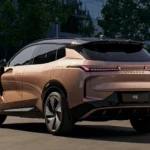
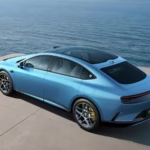
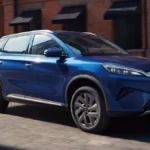
Europe’s growth has been unevenly distributed. Italian BEV market data for Q1 shows Leapmotor alone accounting for approximately 30% of sales, with all Chinese brands combined pushing their share to nearly 40%. This occurred while EU countervailing duties remained in force, confirming that tariff mechanisms are not preventing Chinese share growth in markets where subsidies and distribution networks offset the duty burden.
What Remains When the Tailwinds Fade
The March record combines two temporary drivers. The German subsidy programme is funded through 2029 but its application portal only opened in May 2026, meaning all Q1 registrations claiming it were retroactive. The oil price surge, while real, is subject to diplomatic resolution: a US-Iran ceasefire was announced on 8 April, and Brent crude futures fell below $100 following the agreement. Goldman Sachs has warned that sustained Brent above $100 risks tipping the US and EU into recession, undermining the consumer discretionary spending that sustains new vehicle purchases.
The open question is whether Europe‘s March EV demand was durable structural conversion or geopolitical panic buying that will not repeat. Italian buyers taking 40% of their BEVs from Chinese brands suggest product competitiveness is real.
But the policy and oil drivers that powered the record are not permanent features of the market. When oil prices fall, how much of that 540,000-unit month was genuine consumer preference, and how much was a response to temporary conditions that no longer apply?