
Takeaways
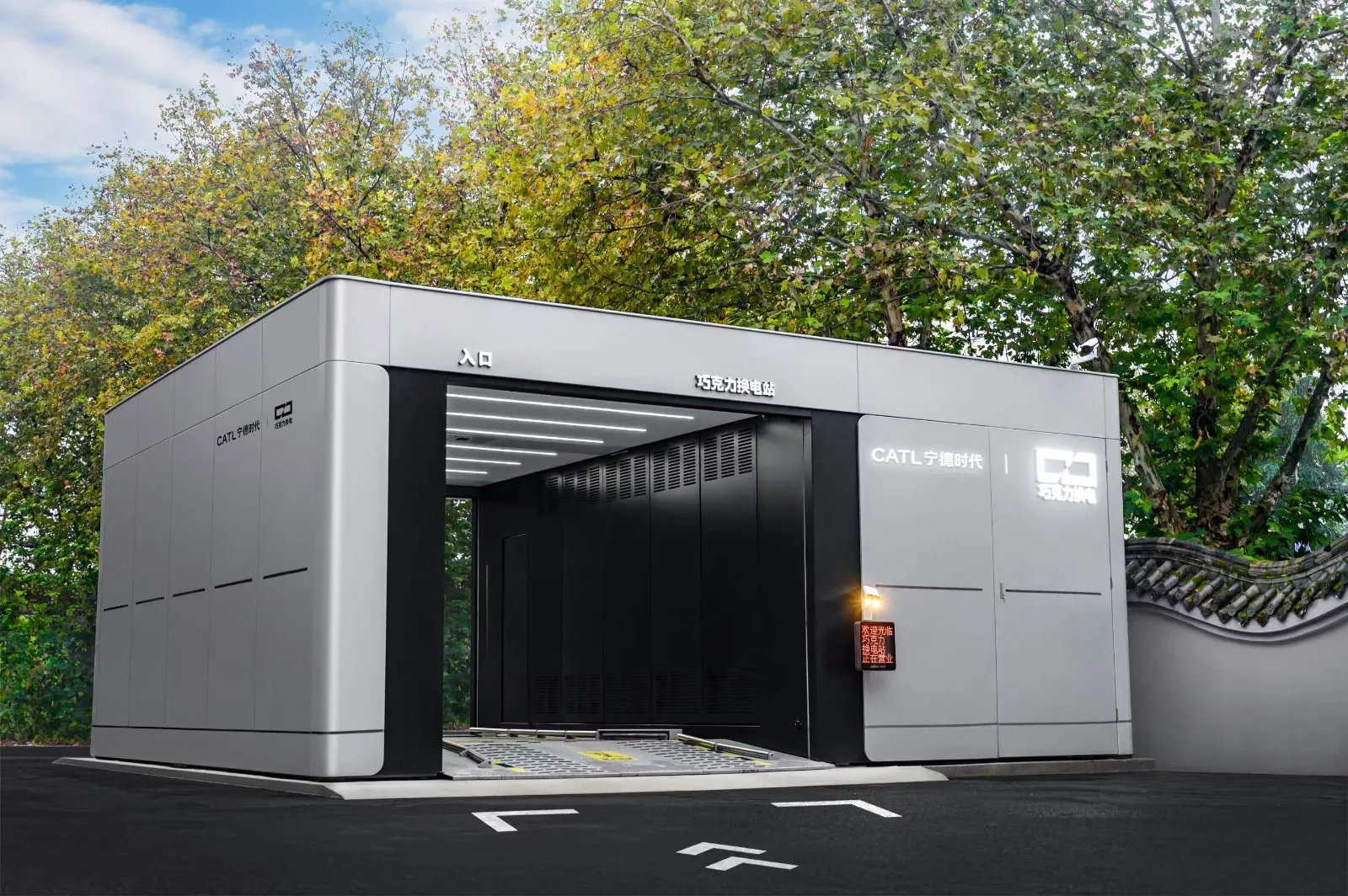
- The Aion RT battery swap version launches 8 April 2026 with a 99‑second swap time, using CATL‘s Choco‑SEB platform. CATL has raised its end‑2026 station target to 3,000 across more than 140 Chinese cities.
- Europe has zero CATL Choco‑SEB stations, and the EU Battery Regulation’s digital battery passport requirement from February 2027 creates unresolved compliance questions for individually swappable packs in rotation.
According to multiple Chinese media reports dated 5–6 April 2026, GAC Aion will officially launch the Aion RT battery swap version on 8 April at 19:00 Beijing time. The vehicle uses CATL’s Choco‑SEB platform and claims a 99‑second full battery exchange.
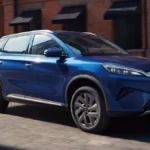
The Aion RT is a compact sedan measuring 4,865 mm in length with a 2,775 mm wheelbase. Battery options are 55.1 kWh (520 km CLTC range) and 68.1 kWh (650 km CLTC range). Motor outputs are 204 hp and 224 hp. The existing Aion RT range is priced between 99,800 yuan and 123,800 yuan (approximately €12,500–€15,500 at current exchange rates). The battery swap version supports both conventional charging and the 99‑second swap.
CATL Swap Network Expansion
CATL‘s Choco‑SEB network reached 1,020 operational swap stations by the end of 2025, covering 45 Chinese cities. The company raised its end‑2026 target from 2,500 to 3,000 stations across more than 140 cities. A long‑term target of 30,000 stations remains in place.
The network currently has no presence in Europe, though CATL has stated plans to introduce battery swapping technology to the European market.
EU Regulatory Hurdles
The EU Battery Regulation (2023/1542) requires a digital battery passport for all electric vehicle batteries placed on the EU market from 18 February 2027. Each swappable battery pack in a rotating pool would require individual traceability and compliance.
Whether the European Commission will issue specific implementation guidance for swappable architectures before the deadline is unknown.
The Open Question
A 99‑second battery swap delivers a full charge faster than a petrol fill. Europe has no standardised swappable battery infrastructure and no announced plans to build one.
The open question is whether the EU‘s battery passport requirements will be adapted to accommodate swappable architectures, or whether regulatory complexity will effectively exclude this energy delivery model from the European market.