
Takeaways:
- Japan’s scoring system cut BYD’s subsidy to 150,000 yen while Toyota’s bZ4X retains 1.3 million yen, with battery origin as the determining factor.
- The EU’s price undertaking framework and upcoming Battery Regulation lack independent audit mechanisms, raising questions about whether similar differential treatment could be applied.
Japan has sharply reduced purchase subsidies for Chinese electric vehicles while maintaining maximum support for domestic brands, establishing a working model of how nominally technology-neutral policy criteria can favor local supply chains.
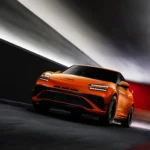
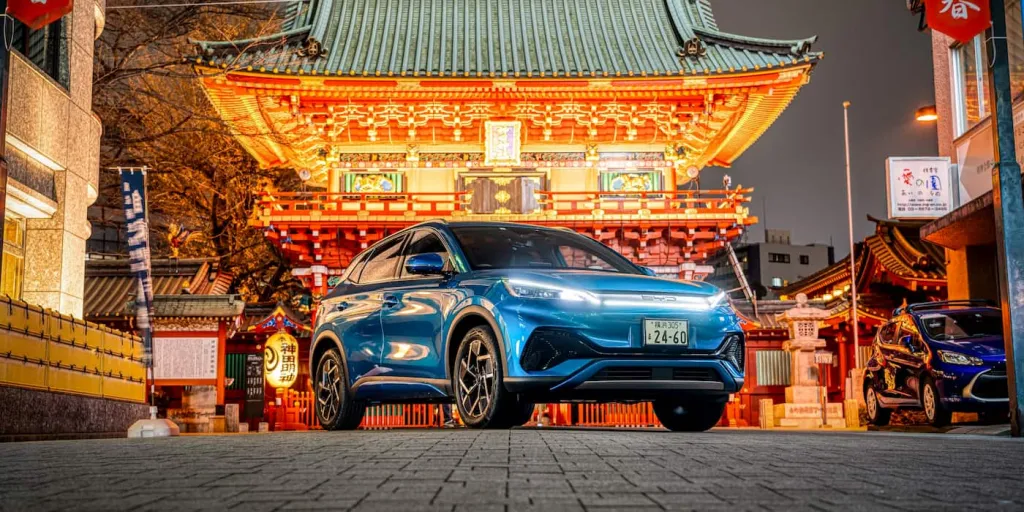
According to Automotive World, Japan’s Ministry of Economy, Trade and Industry has cut BYD’s per-vehicle subsidy to 150,000 yen (USD 936) from 350,000 to 400,000 yen previously, effective April 2026 .
Why Japan Cut BYD Subsidies
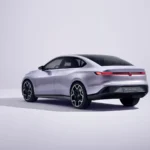
Toyota’s bZ4X retains the maximum subsidy of 1.3 million yen, nearly ten times BYD’s level, under a revised scoring system that explicitly rewards domestic battery production . Nissan’s Ariya subsidy fell to 1 million yen from 1.29 million, while Tesla’s Model 3 holds 1.27 million yen. Audi models without Japan-produced batteries also face cuts, establishing that the principle is battery-origin protectionism rather than brand-origin protectionism .
The subsidy is determined by a 200-point scoring system weighting vehicle performance alongside company evaluation covering charging infrastructure and maintenance networks . BYD Japan President Atsuki Tofukuji stated the company scored zero points for charging infrastructure despite installing fast chargers at dealerships nationwide .
When Tofukuji requested an explanation, METI said it could not disclose the reasoning and that officials were too busy to respond.
According to S&P Global Mobility analyst Yoshiaki Kawano, “the change came after the US-Japan tariff negotiations, so it can’t be ruled out that some aspects could be perceived as favourable treatment from the government” .
What to Watch in Europe
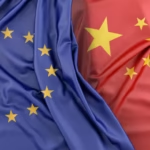
The Japanese framework offers a precedent for how EU policy instruments could be calibrated. The EU’s price undertaking framework for Chinese EV imports operates with scoring and acceptance processes that similarly lack independent third-party audit mechanisms .
If the EU’s forthcoming Battery Regulation incorporates battery-origin criteria analogous to Japan’s, the same outcome could apply to Chinese vehicles using non-European batteries.
If the EU’s price undertaking acceptance process mirrors Japan’s opacity on scoring, what mechanism exists for Chinese OEMs to challenge differential treatment before volumes are locked in?