
Takeaways
- The R36 hybrid decision was driven by sustained Nürburgring track performance requirements, which current battery electric architectures cannot fully meet.
- Whether the R36 will be a plug in hybrid or mild hybrid remains unresolved, determining its EU compliance after 2034.
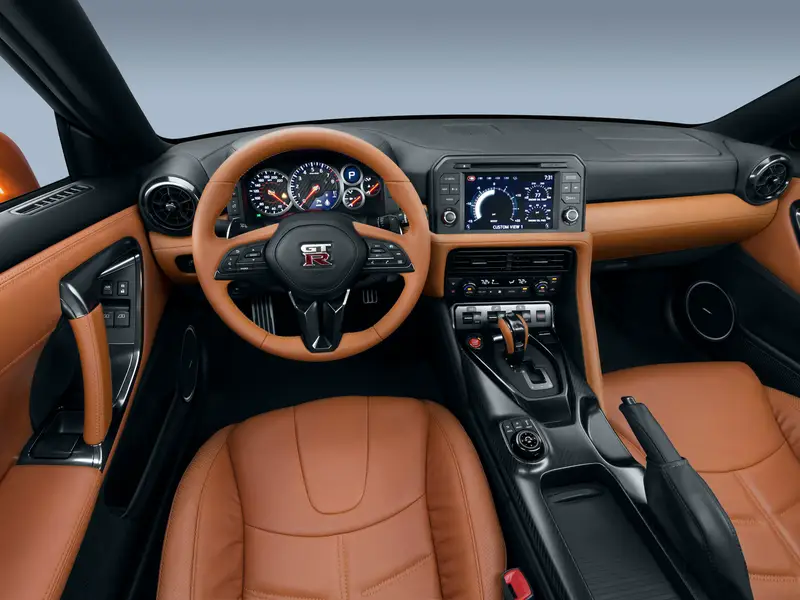
According to Nissan North America Senior Vice President and Chief Planning Officer Ponz Pandikuthira, the next generation GT-R (codenamed R36) will use a hybrid powertrain and launch before 2030.
The executive confirmed the decision at the 2026 New York Auto Show, stating that concrete announcements are expected by 2028.
Why Nürburgring Durability Drove the Hybrid Decision
The decision to reject full electrification was driven by track durability requirements. Pandikuthira explicitly cited the Nürburgring as the performance benchmark where the R35 was developed, noting that sustained high speed track performance remains a challenge for current battery electric architectures.
Nissan built and tested fully electric GT-R prototypes but concluded that hybrid electrification better serves the model’s performance brief.
VR38 V6 Retained With Major Upgrades
The R36 will retain the VR38 V6 engine architecture but with substantial modifications. Pandikuthira told The Drive that while the engine block remains excellent, the cylinder heads, pistons, and combustion process will be redesigned for hybrid integration.
The R35 ended production in August 2025 after an 18 year cycle. The R36 will ride on an entirely new chassis and is described as “an all-new car”.
European Regulatory Open Question
Whether the R36 will qualify as a plug in hybrid with a zero emission mode or as a mild hybrid without one remains unresolved. This distinction determines EU compliance under post 2034 regulations.
The open question is whether Nissan will clarify the hybrid architecture in time for European buyers to make long term purchase decisions, and whether the EU’s 2026 technology neutrality review will create carve outs for performance hybrids.