
Xiaomi’s YU7 GT has filed with China’s MIIT at 1,003 hp and a 3,000 mm wheelbase, targeting a segment where Porsche and Audi have faced no credible outside competition for decades. Whether a specification sheet is enough to move buyers in that market is a question Europe’s premium manufacturers are now watching closely.
What Happened
Xiaomi’s second electric vehicle, the YU7 GT, appeared in China’s MIIT new energy vehicle declaration catalogue with full specifications. The filing shows a 101.7 kWh battery pack, 705 km CLTC range, and a dual-motor all-wheel drive system producing 288 kW at the front and 450 kW at the rear, for 738 kW combined output, equivalent to approximately 1,003 hp. Dimensions are 5,015 mm in length, 2,007 mm in width, and 1,597 mm in height, with a 3,000 mm wheelbase. Curb weight is 2,460 kg, with the battery accounting for 666 kg of that figure. The vehicle includes a roof-mounted LiDAR unit. Top speed is stated at 300 km/h. Pricing has not been announced.
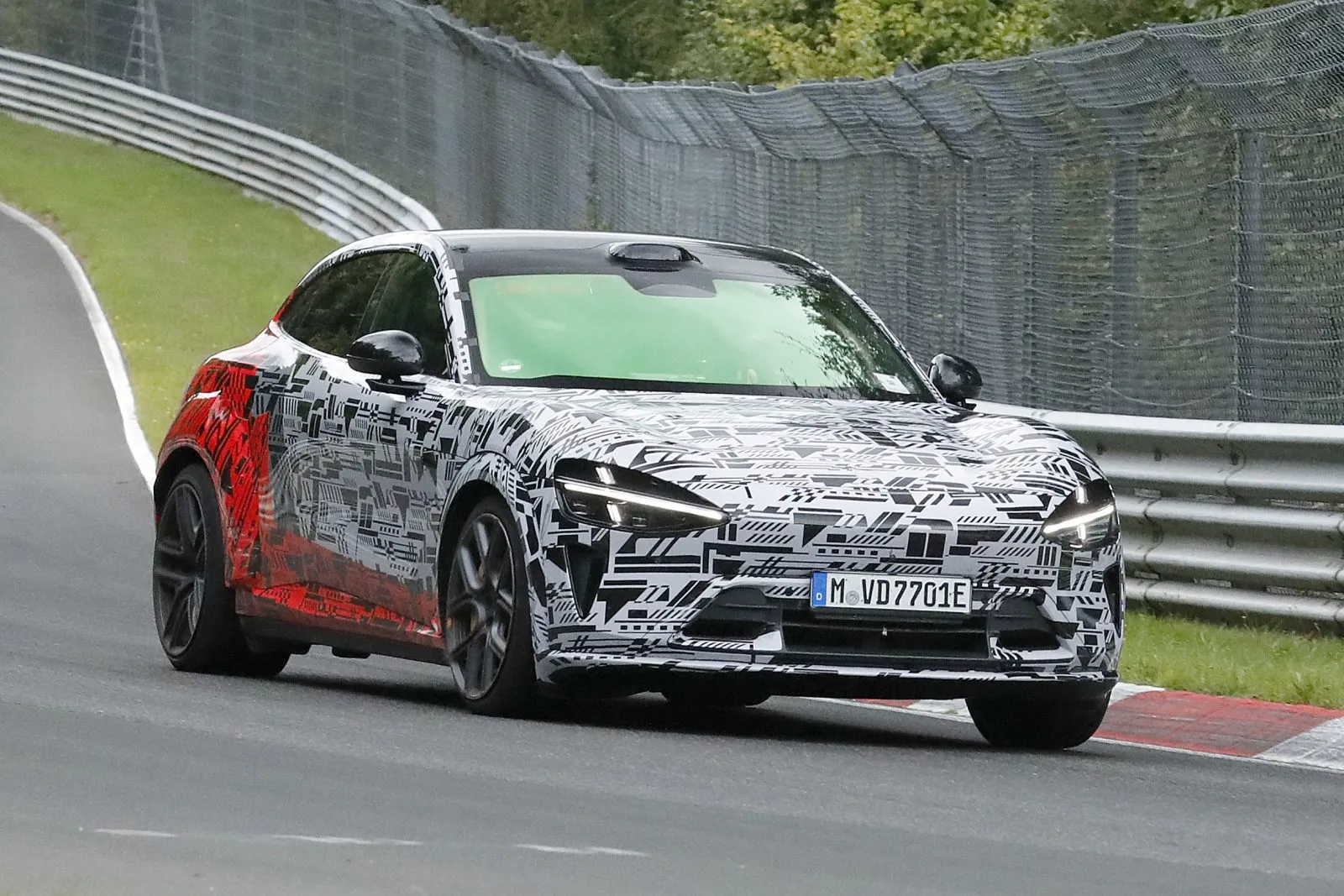
The YU7 GT has been spotted testing at Germany’s Nürburgring. No European market entry has been announced, and Xiaomi has no established automotive dealership or service network in Europe yet.
What It Means
The MIIT filing places the YU7 GT in direct specification competition with vehicles that define the upper end of the European performance SUV market. The Porsche Cayenne Turbo GT produces approximately 485 kW. The Audi RS Q8 sits in a comparable bracket. Both sell at prices exceeding €200,000 in Europe.
Equal scrutiny applies to both sides of that comparison. On Xiaomi’s side, CLTC range figures are consistently more generous than WLTP ratings used across Europe, so the 705 km figure does not translate directly. Power output in a regulatory filing is not validated real-world performance. Handling, thermal management under sustained load, and crash safety compliance for European markets remain undemonstrated. On the European side, pricing at that level reflects brand equity, dealer network depth, and after-sales infrastructure as much as engineering specification. Those are genuine competitive assets, but they are not the same as a performance advantage.
What the filing confirms is a directional shift. Chinese manufacturers are no longer entering Europe from the affordable end of the market and working upward. The YU7 GT targets a segment that has been insulated from outside competition not only by engineering barriers but by the accumulated weight of brand positioning built over decades. Whether raw specification at a lower price point is sufficient to move buyers in that segment, or whether established trust and service infrastructure hold more weight than a specification sheet, is a question the market has not yet answered.
Whether Xiaomi can close the gap between a MIIT filing and a type-approved, dealer-supported vehicle in European showrooms may determine how quickly that question gets tested.